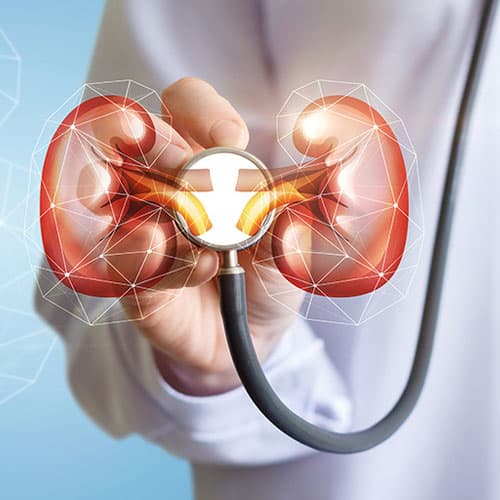
See a nephrologist in Nashik when kidney blood tests are worsening, when swelling, breathlessness, or itching have appeared, or when someone has already used the words “dialysis” and you want them explained by a kidney doctor. At Medinova Super Speciality Hospital, Mumbai Naka, that clinic is the nephrology service. Dr Rohan Raghuwanshi and Dr Nayanesh Chavan are the nephrologists named on the department page. Dialysis is one part of kidney care. It is not the first sentence of every kidney illness. Many people are looked after for years with medicines, blood-pressure control, and attention to diabetes, and they never start dialysis. Others reach a point where the kidneys can no longer keep the blood safe, and dialysis becomes the way waste and fluid are removed.
A kidney specialist in Nashik is the same kind of doctor. Patients use both phrases. This page is the single explanation for both, and the treatment detail lives on the nephrology and dialysis page.
What the first kidney visit is for
The department describes the opening step as a renal assessment: urine tests, the trend in kidney function, and imaging when imaging would help. Bring every old report, not only the latest one. A single creatinine result can look frightening or reassuring for the wrong reason. The trend, and the urine, tell a truer story. Say how long you have had diabetes or high blood pressure. Those two diseases are the common reasons the department lists for chronic kidney damage, including diabetic nephropathy and damage from long-standing hypertension.
Other reasons to be in this clinic include a possible glomerulonephritis, polycystic kidney disease, and kidney trouble that appeared suddenly. Sudden kidney injury is a different pace from a slow decline. If you have stopped passing urine, or you are breathless at rest with known kidney disease, that sudden pace belongs in emergency, which is described below.
A biopsy is not routine. The page says a biopsy or special test is done only when the result would change treatment. Ask that question if a biopsy is mentioned: what will we do differently if the report says one thing rather than another? If the answer is “nothing,” the test needs a second look.
Medicines are adjusted to the person. The department mentions RAAS blockade when it is safe, SGLT2 inhibitors in appropriate diabetes or chronic kidney disease, and diuretics for fluid. Those are categories a nephrologist may use. They are not a shopping list. Some of these medicines are paused when you are dehydrated or acutely unwell. Do not start them from an article, and do not stop them on the morning of a routine blood test unless your own doctor told you to.
How a nephrologist in Nashik decides on dialysis
Dialysis starts because of symptoms and blood results together, not because a blog named a number. There is no creatinine value in this article on purpose. The threshold that matters for you has to be set by the nephrologist who can see your potassium, your acid level, your fluid, and how breathless or nauseated you are. Two people with the same creatinine can need different plans.
Reasons dialysis is discussed include fluid that no longer responds to diuretics, a rising potassium that is dangerous, acid building up in the blood, poisoning of appetite and thinking from retained waste, and a level of kidney function at which waiting longer is riskier than starting. The department’s pathway calls this renal replacement planning: education, access, dialysis initiation, or referral onward if a transplant route is being considered. Medinova’s public page does not describe a transplant programme. If transplant is the conversation, ask where that assessment would happen. Do not assume it happens in the same building.
You should hear about dialysis before the week it starts, whenever the decline was slow enough to allow that. A planned start is calmer than an emergency start. Planning includes what type of dialysis is being proposed and where the blood access will be. Haemodialysis, the form most people picture, uses a machine and a bloodstream connection. Peritoneal dialysis uses the lining of the abdomen and fluid you exchange, often at home. Which one is offered depends on your health, your home, and what the hospital actually provides. Confirm with the department which modalities are available at Medinova before you make a decision from general reading.
Access has to be ready. For haemodialysis that may mean a fistula created in the arm ahead of time, so it can mature, or a temporary line if dialysis cannot wait. A line is a bridge. It is not the ideal long-term door into the bloodstream, because infection risk is higher. Ask which one is being planned and how you should protect that arm. Blood pressure cuffs and needles for ordinary blood tests are often kept off a fistula arm. Your team will give the exact rule.
Kidney specialist in Nashik: the first appointment
Come with a complete medicine list, including painkillers. Some painkillers are hard on kidneys and are a common reason function dips. Mention any scan that used dye, any recent vomiting or diarrhoea, and any new tablet from another doctor. Bring a family member if decisions about dialysis may be discussed. People remember less when the word itself is frightening.
Write down swelling: face in the morning, ankles by evening, or sudden weight gain over a few days. Weigh yourself at home if you can, on the same scale, and bring the numbers. Itching, a metallic taste, hiccups, nausea, and restless legs are worth mentioning. They are not proof that dialysis must start this week. They are part of the history the kidney doctor uses.
Ask what you should eat only after someone has seen your potassium and your fluid status. A blanket “no fruit, no salt” rule copied from a relative can be too strict or too loose. The hospital’s older dialysis article promised diet guidance. The safe version of that promise is individual advice from the nephrology team, written down, with a review date.
What a dialysis session feels like to plan for
If haemodialysis is the plan, a session is a block of hours in a unit, several times a week. The exact hours and the number of days are prescribed. They are not identical for every patient. You sit or lie while blood is filtered and returned. Cramps, a drop in blood pressure, and tiredness afterwards are common enough that the unit should tell you what they do when those happen. Eating during a session follows the unit’s rule, not a general habit.
The older Medinova article said the unit follows strict hygiene and keeps professional supervision. Hold the service to the substance of that line. You should see staff checking identity, the machine, and your weight before and after. Weight is how fluid removal is judged. Report dizziness, chest pain, or bleeding from the needle site immediately. Do not wait until the session ends.
Between sessions, the work is yours and your family’s: the fluid limit you were given, the medicines that must not be skipped, and the fistula care you were shown. Missing sessions because you feel a little better is a common way to land in emergency a week later. If travel or a festival will interrupt the schedule, tell the unit early so a plan exists.
When this cannot wait for OPD
Go to emergency, not to the next Thursday clinic, if you have known kidney disease and any of the following: breathlessness at rest or when lying flat, chest pain, confusion, a seizure, vomiting that stops you keeping medicines down, or you have passed little or no urine and are swelling quickly. A very slow heartbeat, or weakness that is new and severe, can be related to potassium. You cannot measure that at home. Medinova’s emergency department is open 24 hours, and the ambulance service is too. The phone is +91 97632 00200.
A mildly puffy ankle in someone who is comfortable, eating, and passing urine can wait for a booked nephrology visit. Bring the blood tests. Do not start a relative’s water tablet while you wait.
How to book
OPD is Monday to Saturday, 8:00 am to 8:00 pm, at Suyojit Center, opposite Mahamarg Bus Stand, Mumbai Naka, Nashik. Book a nephrology appointment or message WhatsApp on +91 97632 00200. Say whether this is a new kidney-function result, a dialysis planning visit, or an existing dialysis patient who needs review. Dr Rohan Raghuwanshi and Dr Nayanesh Chavan are the names on the department page. Ask who is in clinic on the day you are given.
Questions patients ask
Does a high creatinine always mean dialysis? No. Creatinine is interpreted with the rest of the blood tests and with how you feel. Many raised results are managed without dialysis. The nephrologist should tell you whether yours is in that group.
Can diet reverse kidney failure? Diet and blood-pressure care can slow damage and can prevent a crisis. They do not reliably bring a failed kidney back. Be wary of any claim that a powder or a cleanse will switch dialysis off.
Will I need dialysis forever? Chronic kidney failure that has reached dialysis usually needs ongoing treatment, or a transplant assessment. Acute kidney injury sometimes recovers enough for dialysis to stop. Those are different illnesses. Ask which one you have.
What should I carry to the first session? The medicine list, the access plan the doctor explained, and a family contact. Wear clothing that lets the team reach the fistula or the line. Leave valuables at home. Confirm the arrival time with the unit, because sessions are staggered.