See an ENT specialist in Nashik when an ear, nose, or throat problem has lasted more than a short illness, keeps returning, or is getting in the way of sleep, hearing, or breathing. At Medinova Super Speciality Hospital, Mumbai Naka, that visit sits with the ENT department. Dr Mukesh More is the ENT consultant named on the department page. A cold that settles in a few days can stay with your family doctor. A blocked nose for weeks, ear pain with hearing change, repeated tonsil infections, or dizziness that throws you off balance deserves a specialist look.
People also search for the best ENT specialist in Nashik when they want someone who can examine the nose and ear properly, try medical treatment first, and operate only if that plan fails. The useful comparison is not a slogan. It is whether the hospital can do the examination, the hearing test, and, when needed, surgery in the same place. Medinova lists ENT examination, a trial of medical therapy, and surgery such as sinus surgery, septoplasty, thyroid surgery, and ear surgery on its ENT care page. OPD is Monday to Saturday, 8:00 am to 8:00 pm. Emergency, pharmacy, and ambulance services run 24 hours.
What an ENT specialist in Nashik checks first
The first visit is a conversation and an examination, not an operation. Tell the doctor when the symptom started, whether it is on one side, what you have already tried, and whether anyone in the family has allergies, asthma, or hearing loss. Mention blood thinners, diabetes, and any earlier nose or ear surgery.
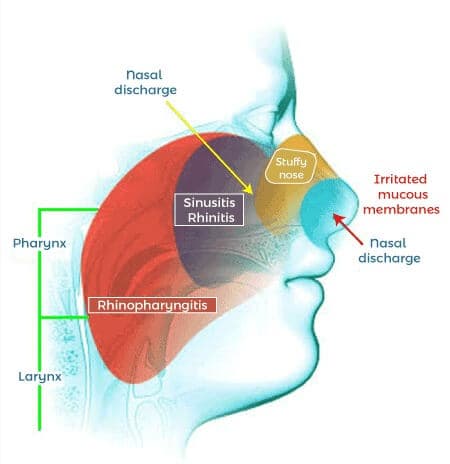
For the nose, the doctor looks at the septum, the turbinates, and the sinus openings. A thin endoscope is often used so the lining can be seen rather than guessed at. Chronic rhinosinusitis and nasal polyps are among the conditions the department says it assesses. Facial pain, a reduced sense of smell, and thick discharge that returns after every course of tablets are the usual reasons patients reach this point.
For the ear, the examination looks at the drum, any perforation, and signs that need a closer pathway, including cholesteatoma, which the department lists as a reason to consult. A hearing test is requested when sound is dull, speech is hard to follow, or the problem is in one ear only. Children with repeated ear infections are assessed the same way: look first, then decide whether medicine, observation, or a procedure is the next step.
For the throat, the visit covers hoarseness, swallowing trouble, tonsil infections, and neck lumps. A neck mass may need a needle test. That decision is made in clinic. It is not something to arrange from a search result.
Balance complaints, including benign positional vertigo, are also on the department’s list. Spinning that starts when you roll over in bed is a different problem from a stroke. If vertigo comes with slurred speech, weakness, double vision, or a sudden severe headache, use emergency care the same day. If the room spins when you turn in bed and you are otherwise well, an ENT or physiotherapy assessment is the right route.
Symptoms that can wait for an OPD appointment
Book a routine ENT visit when the problem is stable and you can eat, drink, and breathe comfortably.
A blocked or runny nose that has lasted beyond ten to fourteen days, or that returns every few weeks, is a common reason. So is mouth breathing, snoring that a partner notices, or a nose that blocks on one side all the time. A bent septum is not always treated with surgery. The department’s pathway is a medical trial first, including sprays when they fit, and antibiotics only when an infection is actually present.
Ear fullness after a flight or a cold often settles. Fullness that stays, hearing that drops, or discharge from the ear should be seen. Pain on its own, with a normal sense of hearing and no fever, can usually wait for the next OPD slot if you are otherwise well.
A hoarse voice after a loud evening often recovers with rest. Hoarseness that is still there after a couple of weeks, especially in someone who smokes, should be examined. The same is true for a feeling of something stuck in the throat that does not come and go with a simple cold.
Allergy symptoms in Nashik’s dusty months, sneezing, itchy eyes, and a clear runny nose, are often managed with sprays and avoidance. An ENT visit helps when those measures have already been used properly and the nose is still blocked, or when polyps are suspected.
When to use emergency care instead of waiting
Go to the emergency department, or call an ambulance, if breathing is noisy or difficult, the tongue or throat is swelling, or bleeding from the nose will not stop with firm pinching and sitting forward. A fish bone or other object that is still stuck, with pain or drooling, should not wait overnight. Sudden hearing loss in one ear, over hours rather than over months, should be seen the same day. The useful time window for treatment is something the ENT doctor must confirm for that patient. Do not wait a week to “see if it returns.”
High fever with a severe sore throat, neck stiffness, or confusion is an emergency, not an ENT booking for next week. Facial weakness, or ear pain with a very sick child who will not drink, also belongs in emergency. Medinova’s emergency service is open all night. The hospital phone is +91 97632 00200.
A nosebleed that stopped, a sore throat without breathing trouble, and a stable earache do not need a midnight visit. They need a proper look in OPD.
How treatment usually proceeds
The department describes a simple sequence. First an examination, which may include endoscopy, a hearing test, or imaging if the history calls for it. Imaging is not automatic. A scan is useful when the diagnosis is unclear, when surgery is being planned, or when a symptom is one-sided and persistent.
Second, a trial of medical therapy. That can include steroid sprays for the nose, and antibiotics when there is a bacterial infection. Sprays only work if they are aimed and used for long enough. Many people stop after three days and decide the treatment failed. Bring the bottle you used, and say how many days you managed.
Third, surgery, if the examination and the medical trial say it is needed. The procedures named on the treatment page include functional endoscopic sinus surgery, septoplasty, thyroid surgery, and ear surgery. None of these is the default. Sinus surgery is discussed when polyps or blocked sinus openings keep causing infection despite proper medical care. Septoplasty is discussed when a bent septum is actually obstructing the airway, not merely because a scan mentioned it. Thyroid surgery is a separate decision, based on a neck examination and tests. Ear surgery depends on the drum, the hearing test, and whether there is chronic discharge or cholesteatoma.
Fourth, aftercare. Nose rinses, pain control, and, when tissue was sent to the laboratory, a follow-up for that report. Ask before you leave what you may eat, when you may fly, and which warning signs should bring you back early.
What to bring to the visit
Carry old prescriptions, the names of sprays and tablets, and any hearing test or scan you already have, including the films or a digital copy. Write down which ear is worse, or which side of the nose blocks. If a child is the patient, note how many feverish nights there have been this season and whether hearing seems worse at school.
If you are comparing options and want what people mean by the best ENT specialist in Nashik, use the visit to ask three practical questions. Who will examine you, and who will operate if surgery is advised? What happens if medicine is enough? Where do you go if a problem starts on a Sunday night? A hospital OPD with an emergency department behind it answers the third question differently from a clinic that closes in the evening.
A visit at Mumbai Naka
Medinova Super Speciality Hospital is at Suyojit Center, opposite Mahamarg Bus Stand, Mumbai Naka, Nashik. ENT OPD follows the hospital OPD hours, Monday to Saturday, 8:00 am to 8:00 pm. You can book an appointment or message the hospital on WhatsApp at +91 97632 00200. Say whether the problem is ear, nose, throat, or balance, so the booking matches the right clinic.
Dr Mukesh More’s profile on the site describes him as an ENT specialist with postgraduate training in ENT, and the department page links his profile for this service. Confirm on the day that he is the doctor in that clinic. Rosters change.
Questions patients ask
How long should a cold last before an ENT visit? A few days of fever and a runny nose can be watched. Book if the face stays painful, the discharge turns persistent, or the nose has been blocked for more than about two weeks. Sooner if breathing or swallowing is affected.
Do I need a scan before the appointment? No. The examination decides whether a scan would change the plan. Bring scans you already have. Do not delay the visit in order to arrange one yourself.
Is surgery the usual result of an ENT consultation? No. The pathway published by the department starts with examination and a medical trial. Surgery is one option when that trial and the examination point to a structural problem, such as a blocked sinus, a deflecting septum, or chronic ear disease.
Can dizziness be an ENT problem? Positional spinning often is. Dizziness with weakness, trouble speaking, fainting, or chest pain should go to emergency, because those combinations can come from the brain or the heart.