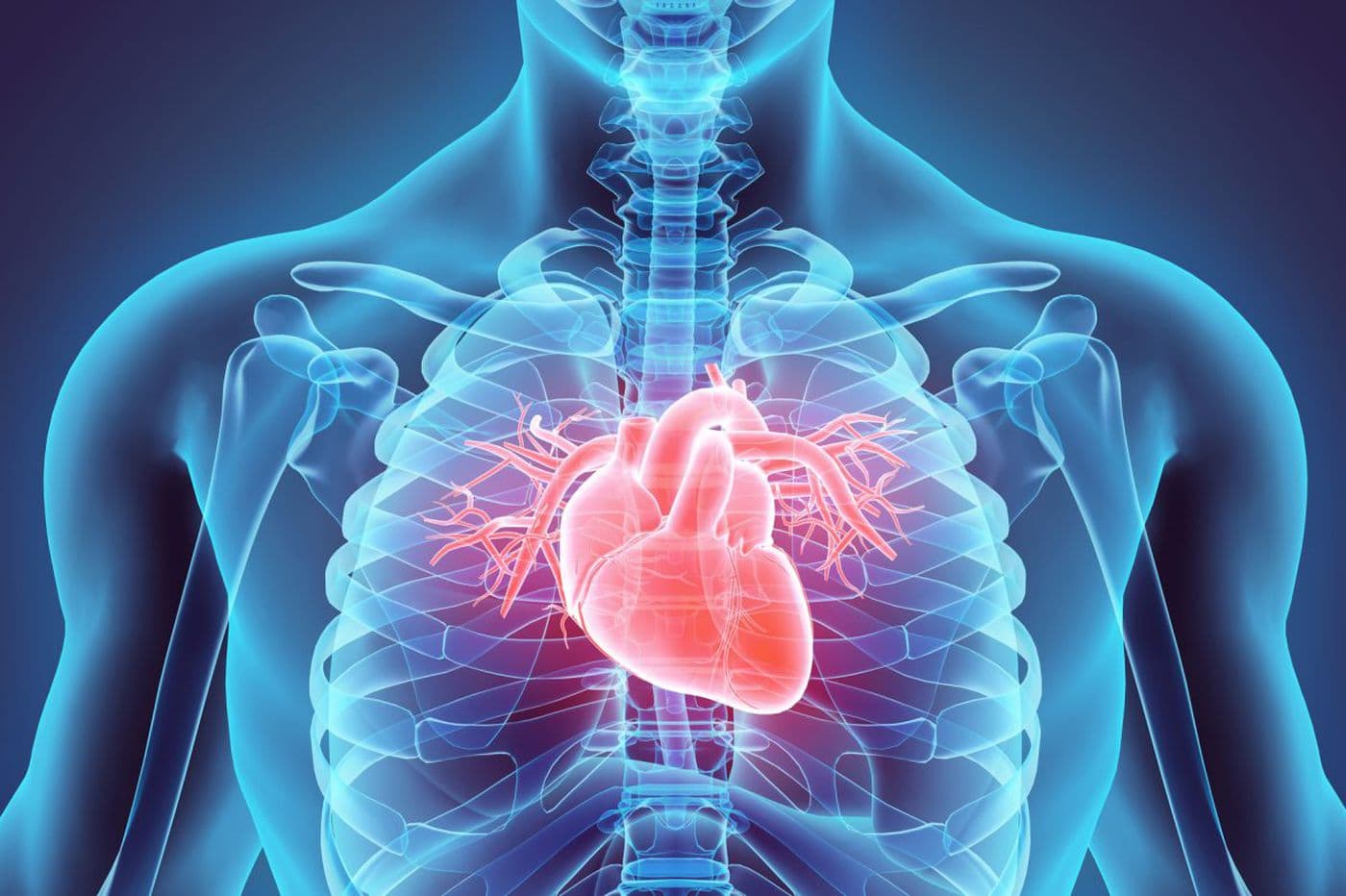
A heart specialist in Nashik is the right next step when chest symptoms are stable enough to wait for a clinic, and wrong to wait for when the symptoms look like a heart attack. At Medinova Super Speciality Hospital, Mumbai Naka, cardiology and the emergency department sit in the same hospital. Dr Mahesh Uttamrao Aher is the interventional cardiologist named first on the cardiology page. If pain is severe, pressure-like, spreading to the arm, jaw, or back, or it comes with sweating, nausea, fainting, or breathlessness, go to emergency now. Do not drive yourself if you feel faint. Use the ambulance. Medinova’s emergency, pharmacy, and ambulance services are open 24 hours. The phone is +91 97632 00200.
A heart specialist hospital in Nashik is what families look for when they want that choice in one place: a planned cardiology OPD on weekdays, and a door that is open if the same person deteriorates on a Sunday night. OPD at Medinova is Monday to Saturday, 8:00 am to 8:00 pm.
Symptoms that belong in emergency
Treat these as emergencies until a doctor has said otherwise. The list is there so you do not negotiate with a serious pattern at home.
Heavy pressure, squeezing, or burning in the centre of the chest, especially if it is new and especially if it started during effort, is a classic warning. Spread into the left arm, both arms, the neck, the jaw, or the back makes that warning stronger. So does a cold sweat, feeling sick, or a sense that something is badly wrong. Women and people with diabetes sometimes feel breathlessness, unusual fatigue, or upper-abdominal discomfort more than dramatic chest pain. Those patterns still need emergency assessment when they are sudden and severe.
Pain that tears through to the back, with known high blood pressure, is another pattern that should not wait in a waiting room at home. The existing hospital article on chest tightness already makes this point. It can be an aortic emergency. Only an examination can say what it is. Your job is to get to a hospital.
Fainting with chest pain, a heartbeat that will not settle and makes you collapse, or breathlessness at rest with chest tightness, all go the same way. So does chest pain after a long period of immobility if you are also short of breath. That combination can be a lung problem, and it still cannot wait for a routine slot.
Call the hospital emergency or an ambulance. Sit or lie down. If you have been prescribed a nitrate spray or tablet for known angina, use it the way your own doctor taught you. Do not borrow someone else’s medicine. Do not eat or drink a large amount if you may need an urgent procedure. A family member should bring your medicine list and say when the pain started.
Symptoms that can be booked with a heart specialist
Book cardiology OPD when you are comfortable at rest, able to speak in full sentences, and the symptom has a pattern you can describe. Brief stabs of pain that change when you press the chest or twist the shoulder are often from the chest wall. Burning after meals, or when you lie flat, is often from the food pipe. A flip-flop feeling in the chest that lasts a few seconds and leaves you well can be a rhythm extra beat. These still deserve a proper opinion if they keep happening. They do not, by themselves, mean you should skip emergency care if a new severe pattern appears later.
Come to clinic, rather than emergency, for a planned review if you already know you have blood pressure, diabetes, or cholesterol and you want them tied to heart risk. Come if you get chest tightness on climbing stairs that passes with rest, and you are well between episodes. That exertional pattern is a reason to see a cardiologist soon. It is an emergency if the same pain now happens at rest, lasts longer, or comes with sweat and breathlessness.
A racing heart that starts and stops, with no fainting, can be assessed in clinic if you feel well enough to wait. Note the time, how long it lasted, and whether coffee, fever, or a missed meal sat nearby. Fainting during the episode changes the plan. That is emergency care.
When a heart specialist in Nashik is the right next step
After an emergency visit has ruled out an immediate crisis, or when symptoms were never an emergency, the cardiology clinic is where the longer answer is built. The department describes the first step as a clinical review and an ECG: symptoms, risk, and baseline tests. Bring home blood pressure readings if you have them, including readings taken during an episode. A single number in the hospital is less informative than a week of readings taken at the same time of day.
The next step, when it is indicated, is imaging and functional testing. The page names echocardiography, Holter monitoring, and stress testing, and it says these are not routine for everyone. An echocardiogram looks at the structure of the heart and how the valves and pumping chamber move. A Holter is a monitor you wear so a rhythm that comes and goes can be caught. A stress test asks how the heart behaves with effort. None of these replaces the history. A doctor who orders all of them on every patient is not being more thorough. The test should be the one that would change what happens next.
Treatment, when it is medicines, is adjusted over more than one visit. The department mentions blood pressure programmes and medicines such as beta-blockers, ACE inhibitors, SGLT2 inhibitors where they fit diabetes or heart failure, statins, and anticoagulants. Those names are categories. Whether one of them is right for you depends on the diagnosis, your kidneys, and the other tablets you take. Do not start or stop them because an article listed the class.
Some patients need a handoff to cardiac surgery or to electrophysiology. The cardiology page says that handoff is part of the hospital’s pathway. Ask, if it comes up, whether the procedure would happen at Medinova or at a partner theatre, and who looks after you the night of the procedure.
What to tell the doctor
Write a short timeline before you arrive. When did it start. How long does each episode last. Does it come on with walking, with food, with lying down, or with no trigger. What else happens: sweat, breathlessness, nausea, palpitations, fainting, or pain on pressing the chest. List every medicine, including painkillers and anything bought without a prescription. Say if you smoke, and if a parent or sibling had a heart attack at a young age.
If you have already been to another hospital, bring the ECG. A tracing from the hour of the pain is more useful than a later one that looks calm. The department’s own note, on the older version of this article, is right about this: an early ECG can look nearly normal and a worrying history can still need urgent care. That is why severe symptoms go to emergency, where the tracing can be repeated, rather than to a clinic next Thursday.
How the visit is arranged
For a planned appointment, contact the hospital or WhatsApp +91 97632 00200 and ask for cardiology. Say if you have had pain in the last day. The person booking should send you to emergency if the story is acute. The hospital is at Suyojit Center, opposite Mahamarg Bus Stand, Mumbai Naka, Nashik.
Dr Mahesh Uttamrao Aher is listed on the cardiology page as an interventional cardiologist. Other names on that page today include Dr Girish Kale and Dr Kaustubh Mahamine. The doctor you see depends on the roster. Interventional cardiology is the branch that does catheter procedures when they are needed. Many first visits never reach a catheter. They reach a diagnosis, a medicine plan, and a clear instruction about what should trigger a return to emergency.
Questions patients ask
I have chest pain that lasted two minutes and has gone. Can I wait until morning? If it was mild, you feel well now, and there was no sweat, fainting, or breathlessness, a same-day or next-OPD cardiology visit is reasonable. If it was heavy, if it has happened again, or if you feel unwell now, go to emergency tonight.
Should I get a treadmill test before I see the doctor? No. The clinic decides whether a stress test would be safe and useful. Arranging one yourself can delay the visit and, in the wrong person, is not a harmless shortcut.
Is acidity ever a heart problem? Burning after meals can be reflux. New burning with effort, sweat, or breathlessness should be treated as cardiac until assessed. The two overlap enough that guessing at home is a poor test.
What should the family carry to emergency? A list of medicines, any old ECG, and the time the pain started. Identify the closest relative who can consent if the patient is in pain and cannot talk easily.