
Endoscopic Spine Surgery (RIWO) in Nashik
Endoscopic spine surgery (RIWO) in Nashik—minimally invasive disc and stenosis treatment for selected patients at Medinova Super Speciality Hospital with structured rehab.
- Minimally invasive spine surgery for appropriate herniation/stenosis patterns
- Multidisciplinary spine decision-making at a Nashik tertiary hospital
- Rehab-focused follow-up for core strength and posture

Meet your doctors
Our team brings combined experience across 2 linked doctors — high-volume care with coordinated follow-up.
Dr. Nikhil Bhamare
Brain and Spine Surgery
15+ years experience
Dr. Mukesh Dhande
Brain and Spine Surgery
15+ years experience
Key highlights
Endoscopic spine
Technique
Open spine + ICU
Back-up
Nashik
City
Individual results vary — expectations and follow-up are discussed at consultation.
Certifications & standards
- Care pathways aligned with widely accepted clinical guidelines
- Full-hospital support in Nashik—diagnostics, theatre, ICU, and step-down wards when needed
- Medication reconciliation, infection-prevention practices, and clear discharge instructions
How it works
Simple 3-step care process
Clinic & MRI correlation
Map symptoms to levels; discuss non-operative care duration.
Pre-operative planning
Anaesthesia review, consent, and marking of approach.
Endoscopic procedure
Portal access, visualization, decompression, and integrity checks.
Recovery & PT
Pain control, walking goals, and extension-based exercises.
Conditions & when to consult
Know when to seek care
When to consult
Other situations where care is recommended
Outcomes you can expect
Concrete benefits tied to how we plan and deliver care — not generic promises.
Smaller incisions and often less paraspinal muscle disruption in suitable cases
Potential for shorter hospital stay for selected primary disc herniations
Clear MRI-exam correlation before offering surgery
Ability to escalate to open techniques within the same hospital system
Structured Nashik physiotherapy partners for graded return to activity
About this treatment
Who is this for?
Patients with correlating radicular symptoms and imaging where endoscopic technique can safely achieve the surgical goal. Multilevel instability is usually not a match.
When should you consider it?
Urgent evaluation for bowel/bladder dysfunction with back pain, rapid weakness, or post-trauma paralysis. Outpatient review for persistent sciatica despite conservative care.
Full clinical information
Endoscopic spine surgery at Medinova Super Speciality Hospital in Nashik uses small portals and a camera to address selected disc herniations and stenosis patterns with less muscle stripping than open approaches in appropriate candidates.
Who needs this treatment
- Radicular leg or arm pain with focal disc herniation correlating to exam
- Single-level lateral recess stenosis patterns amenable to endoscopic decompression after assessment
- Patients medically fit for anaesthesia who understand conversion to open surgery if needed
- Those seeking smaller incisions after informed discussion—not cosmetic promises
Why choose Medinova Super Speciality Hospital in Nashik
- Endoscopic spine capability within a Nashik hospital that can manage complications and inpatient rehab
- Collaboration between orthopaedic spine and neurosurgical teams for indication review
- On-site MRI/CT correlation with surgical planning
- Transparent consent on recurrence rates and activity limits after surgery
Recovery and results
- Many patients walk same day or next; lifting limits apply for weeks
- Nerve recovery continues for months—numbness may lag behind pain relief
- Physical therapy progresses core and extension strength to protect the disc level
- Return to heavy labour or contact sport only after surgeon clearance
Notes
Patient selection is strict: symptoms must match MRI levels, neurological exam, and failure of an adequate conservative trial unless urgent deficit exists. Not every herniation or stenosis is suitable—central canal stenosis with multilevel compression may still need open decompression or fusion.
Benefits can include reduced post-operative pain for suitable cases and earlier mobilisation; risks include nerve root injury, dural tear, recurrence, and incomplete decompression if anatomy is unfavourable.
Medical information supports education and shared decision-making; it does not replace an in-person consultation. Individual risks, benefits, and timelines vary.
Frequently asked questions
Ready to take the next step?
Tell us what you are experiencing—we will match you with the right doctor and visit type.
customercare@medinovahospital.org
Explore related care options
Other specialties that may fit your needs — browse and compare.

Brain & Spine Surgery (Neurosurgery)
Brain and spine surgery (neurosurgery) in Nashik for tumours, disc disease, stenosis, trauma, and nerve compression—evidence-based plans with ICU support at Medinova Super Speciality Hospital.
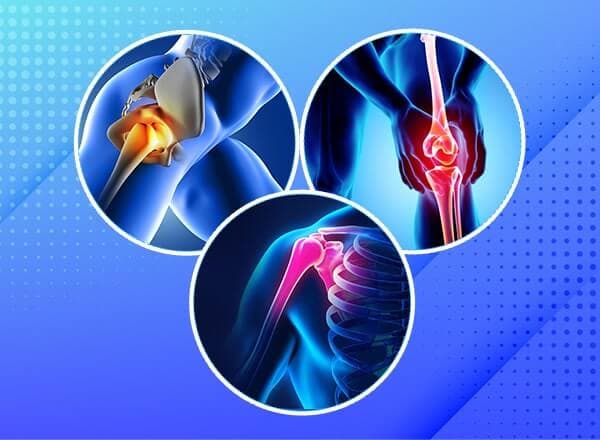
Orthopedic & Joint Replacement Surgery
Orthopaedic and joint replacement surgery in Nashik—hip, knee, and shoulder arthroplasty with prehab, modern implants, and structured rehab at Medinova Super Speciality Hospital.
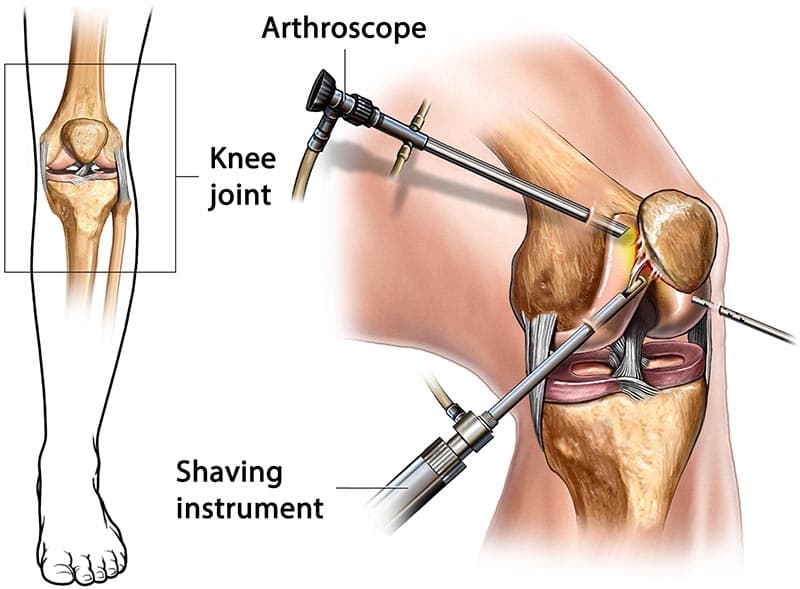
Arthroscopy
Arthroscopic knee and shoulder surgery in Nashik—meniscus, ligament, and rotator cuff procedures with sports-focused rehab at Medinova Super Speciality Hospital.