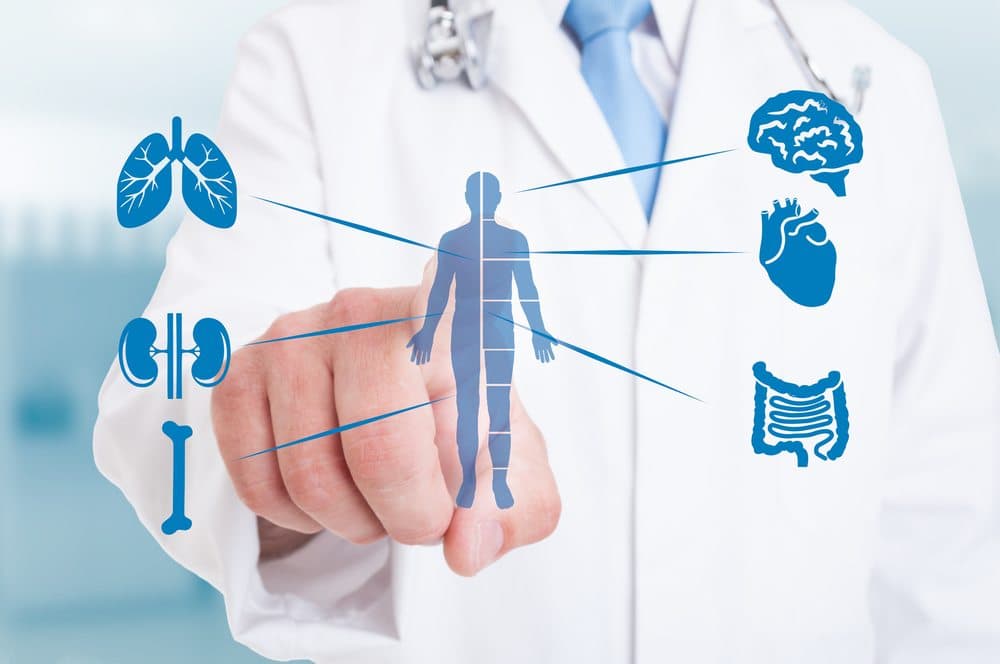
High blood pressure, also known as hypertension, is often referred to as the “silent killer” because it can develop gradually without obvious symptoms while continuously affecting vital organs such as the heart, brain, kidneys, and blood vessels. On World Hypertension Day 2026, the focus is on increasing awareness about early diagnosis, lifestyle management, and timely medical care to reduce long-term health complications.
Hypertension is one of the leading causes of heart disease, stroke, kidney failure, and cardiovascular emergencies worldwide. Many individuals remain unaware that their blood pressure levels are elevated until a serious medical event occurs. Regular monitoring and preventive healthcare are therefore essential, especially for adults above the age of 30 and individuals with lifestyle or genetic risk factors.
What Causes High Blood Pressure?
Several factors contribute to hypertension, including unhealthy diet, excessive salt intake, obesity, stress, smoking, alcohol consumption, lack of physical activity, poor sleep quality, and family history. In some cases, underlying medical conditions such as diabetes, kidney disease, or hormonal disorders may also increase the risk of developing high blood pressure.
Modern lifestyles have significantly contributed to the growing number of hypertension cases among younger adults. Long working hours, increased screen time, irregular eating habits, and chronic stress are becoming major contributors to uncontrolled blood pressure levels. Early lifestyle correction plays a critical role in prevention.
Why Hypertension is Dangerous
Uncontrolled hypertension silently damages blood vessels over time, increasing the risk of severe complications including heart attack, stroke, heart failure, kidney disease, vision problems, and vascular disorders. Since symptoms are often absent during the early stages, many patients ignore routine screening until complications develop.
In emergency situations, extremely high blood pressure can lead to hypertensive crisis, causing sudden neurological symptoms, breathing difficulty, chest pain, or organ damage requiring immediate hospitalization and critical care support.
Signs and Symptoms to Watch For
Although hypertension may remain symptomless for years, some individuals may experience:
- Frequent headaches
- Dizziness or lightheadedness
- Blurred vision
- Chest discomfort
- Shortness of breath
- Fatigue or palpitations
Any persistent symptoms should be medically evaluated, particularly in individuals with diabetes, obesity, smoking history, or cardiovascular risk factors.
How to Prevent and Control Hypertension
Prevention and long-term management require a combination of medical care and lifestyle changes. Early intervention can significantly reduce the chances of heart disease and stroke.
- Reduce salt and processed food intake
- Maintain regular physical activity
- Achieve and maintain healthy body weight
- Avoid smoking and excessive alcohol consumption
- Manage stress and improve sleep quality
- Monitor blood pressure regularly
- Follow prescribed medications consistently
Patients diagnosed with hypertension should not stop medications without medical guidance, even when blood pressure readings improve. Consistent follow-up and monitoring are essential for long-term control and prevention of complications.
Importance of Regular Health Checkups
Routine health screenings help identify high blood pressure before symptoms appear. Early diagnosis allows doctors to start treatment at the right stage and reduce the risk of permanent organ damage. Individuals with family history of hypertension or cardiovascular disease should undergo periodic preventive health checkups.
Blood pressure monitoring is a simple but highly effective preventive measure that can save lives by detecting risk early and encouraging timely medical intervention.
Hypertension Care at Medinova Super Speciality Hospital, Nashik
At Medinova Super Speciality Hospital, Nashik, our Internal Medicine, Cardiology, and Critical Care teams focus on early detection, preventive care, and long-term hypertension management. Patients receive comprehensive evaluation, risk assessment, lifestyle guidance, and treatment planning tailored to their health condition.
With advanced diagnostic support and 24/7 emergency care, our specialists help patients manage blood pressure safely while reducing the risk of cardiovascular and neurological complications.
Conclusion
World Hypertension Day is a reminder that awareness, prevention, and regular monitoring are essential for protecting long-term health. High blood pressure may not always show warning signs, but early action can prevent life-threatening complications in the future.
Monitoring blood pressure regularly, maintaining healthy habits, and seeking timely medical advice remain the most effective ways to control hypertension and improve overall quality of life.