A neurologist is the doctor for the brain, the spinal cord, the nerves and the muscles. You book one for headaches that keep coming back, a first seizure, numbness that will not settle, a tremor, or memory that is slipping. You do not book one for a stroke. A stroke goes to emergency, now, because the treatments that limit the damage only work in the first few hours.
At Medinova Super Speciality Hospital, Mumbai Naka, the neurology clinic and the 24-hour emergency department are in the same building. The OPD runs Monday to Saturday, 8:00 am to 8:00 pm. Emergency is open day and night. The number for both is +91 97632 00200.
Stroke signs that cannot wait for a clinic
Doctors use the letters BE FAST to remember the common warning signs. If any of them start suddenly, treat it as a stroke until a doctor says otherwise.
B for balance: sudden loss of balance or coordination, or a fall with no clear reason.
E for eyes: sudden loss of vision in one eye, double vision, or losing one side of what you see.
F for face: one side of the face droops when the person tries to smile.
A for arm: one arm or leg goes weak or numb, or drifts down when both are raised.
S for speech: slurred words, wrong words, or trouble understanding what others say.
T for time: note the time the person was last seen normal, and call for help straight away.

Save or share this card.
Time matters because the clot-dissolving medicine used for many strokes has to be given within a few hours of the start, usually 4.5 hours from the moment the person was last seen well. Some patients with a large blocked artery can also have the clot removed through a catheter, and for carefully selected patients that window can be longer. Neither treatment can be decided at home. Both need a scan first, to tell a blocked artery from a bleed.
Medinova's interventional neurology page describes this pathway: rapid assessment and a CT scan on arrival, clot-dissolving treatment or clot removal where guidelines allow, ICU monitoring, then prevention and rehabilitation. The team linked to that pathway includes the hospital's neurologist and its brain and spine surgeons, listed under Related doctors at the end of this article.
What to do while you wait for help
Call the hospital emergency or the 108 ambulance. Do not drive the patient yourself if an ambulance can reach you sooner.
Lay the person on their side if they are drowsy or vomiting, so they do not choke.
Do not give food, water or tablets. That includes aspirin: if the stroke is a bleed, aspirin can make it worse, and swallowing may not be safe.
Write down the time the symptoms started, or the last time the person was definitely normal. The emergency team will ask for it first.
Do not wait to see whether it passes. Symptoms that fade within minutes can be a mini-stroke (a TIA), and a TIA is a warning that a bigger stroke may follow.
Other nerve and brain symptoms that belong in emergency
A seizure that lasts more than five minutes, or a second seizure before the person has woken up from the first.
A first-ever seizure in an adult, unless a doctor has already seen the person since.
The worst headache of your life that reaches full strength within a minute or so.
A headache with fever, a stiff neck, confusion or a rash.
New weakness, confusion or repeated vomiting after a head injury.
Weakness that starts in the feet and climbs up the legs over hours or days.
Sudden loss of vision, or sudden severe dizziness with slurred speech or double vision.
When to book a neurologist in Nashik
Most neurology problems are not emergencies. They are patterns that need a proper diagnosis, and they usually need more than one visit. Book a neurology OPD appointment if you have:
Headaches or migraine that disrupt work or sleep: Separates migraine and tension headache from the rarer causes that need a scan, and plans both rescue and preventive treatment.
A change in your usual headache: New headaches after the age of 50, or headaches that wake you or come with vomiting, should be seen sooner rather than later.
Fits, blackouts or unexplained episodes: Epilepsy, fainting and other causes need different treatment. An EEG and a clear account of the episode decide which it is.
Numbness, tingling or burning in the feet or hands: Often nerve damage linked to diabetes, low vitamin B12 or pressure on a nerve. Nerve conduction tests can confirm the cause.
Tremor, stiffness or slowness: Parkinson's disease and other movement disorders are treatable, and medicines need careful adjustment over time.
Memory or thinking problems: Thyroid problems, vitamin deficiency, depression and medicine side effects can mimic dementia and are worth ruling out.
Recurring dizziness or vertigo: Most vertigo comes from the inner ear, but some patterns point to the brain and need examination.
Back or neck pain with leg or arm numbness: A neurologist can tell nerve problems from spine problems and refer you to a spine surgeon if surgery may help.
Neurologist or neurosurgeon: which one do you need?
A neurologist diagnoses and treats brain and nerve conditions with medicines, tests and long-term follow-up. A neurosurgeon operates on the brain and spine. Most people start with a neurologist. If a scan shows something that surgery can fix, such as a slipped disc pressing on a nerve, a bleed or a tumour, the neurologist refers you on.
At Medinova both specialties work in the same hospital. The hospital's full-time neurology consultant trained in neurology (DNB) at Jaslok Hospital, Mumbai, and lists his interests as acute stroke care, epilepsy, movement disorders, clinical neurophysiology and sleep disorders. Brain and spine surgery has its own team of neurosurgeons, and the hospital's endoscopic spine surgery programme handles selected slipped-disc and nerve-compression cases.
What happens at your first neurology visit

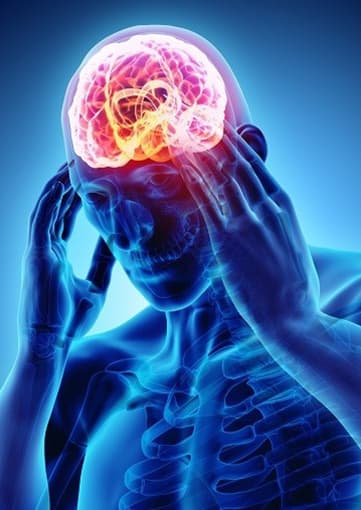
Representative image.
History and examination. The neurologist asks when it started, how it behaves and what makes it better or worse, then checks strength, reflexes, sensation, balance, eye movements and speech. This part usually tells the doctor more than any test.
Tests only if they change the plan. Depending on the symptoms, that can mean an MRI or CT scan, an EEG for seizures, nerve conduction tests (EMG-NCS) for numbness or weakness, blood tests, or occasionally a lumbar puncture. You will not need all of them.
A treatment plan. Medicines, physiotherapy, lifestyle changes, a referral to surgery, or a period of watching and reviewing. Neurology medicines are often started low and adjusted, so expect a follow-up date.
What to bring
A short written timeline: when it started, how often it happens, how long each episode lasts.
A phone video of the episode if you can take one safely. A 30-second clip of a seizure, a tremor or an odd movement is often more useful than any description.
A headache diary if headaches are the problem: dates, times, what you took and whether it worked.
Every medicine you take, including painkillers bought without a prescription.
Previous MRI or CT scans on CD or as a link, with the written reports.
Recent blood sugar and blood pressure readings if you have diabetes or high blood pressure.
Questions patients ask
Do I need an MRI before I see a neurologist?
No. Let the neurologist decide. Many headaches and nerve problems are diagnosed without one, and an MRI ordered without a clear question can find harmless findings that cause worry. If you already have a scan, bring it.
My numbness went away. Should I still get it checked?
If it came on suddenly, affected one side of the body, or came with speech or vision problems, yes, and soon. That pattern can be a mini-stroke. Numbness in both feet that builds up slowly is not an emergency, but it is worth a planned visit.
Is migraine dangerous?
Migraine itself rarely causes harm, but it can take a lot out of work and family life, and good treatment can cut the number of attacks. See a neurologist if you need painkillers more than a few days a week, because that habit can make headaches more frequent.
Can I drive after a seizure?
Not until your neurologist has assessed you and told you it is safe. A second seizure behind the wheel puts you and others at risk.
How to book a neurology appointment at Medinova
Call or WhatsApp +91 97632 00200 and ask for neurology. OPD runs Monday to Saturday, 8:00 am to 8:00 pm. The hospital is at Suyojit Center, opposite Mahamarg Bus Stand, Mumbai Naka, Nashik. If the symptoms started suddenly in the last few hours, do not book: come straight to emergency, which is open 24 hours.
This article is general information, not a diagnosis. If you are unsure whether a symptom is an emergency, treat it as one and call for help.